Low on cash? Consider a brief pause on spending to make it to the next payday.
Many households have more food, toiletries, clothing, and household supplies than they realize. A “Use What You Have” month is a temporary challenge to stop buying duplicates and make use of what is already in your home.
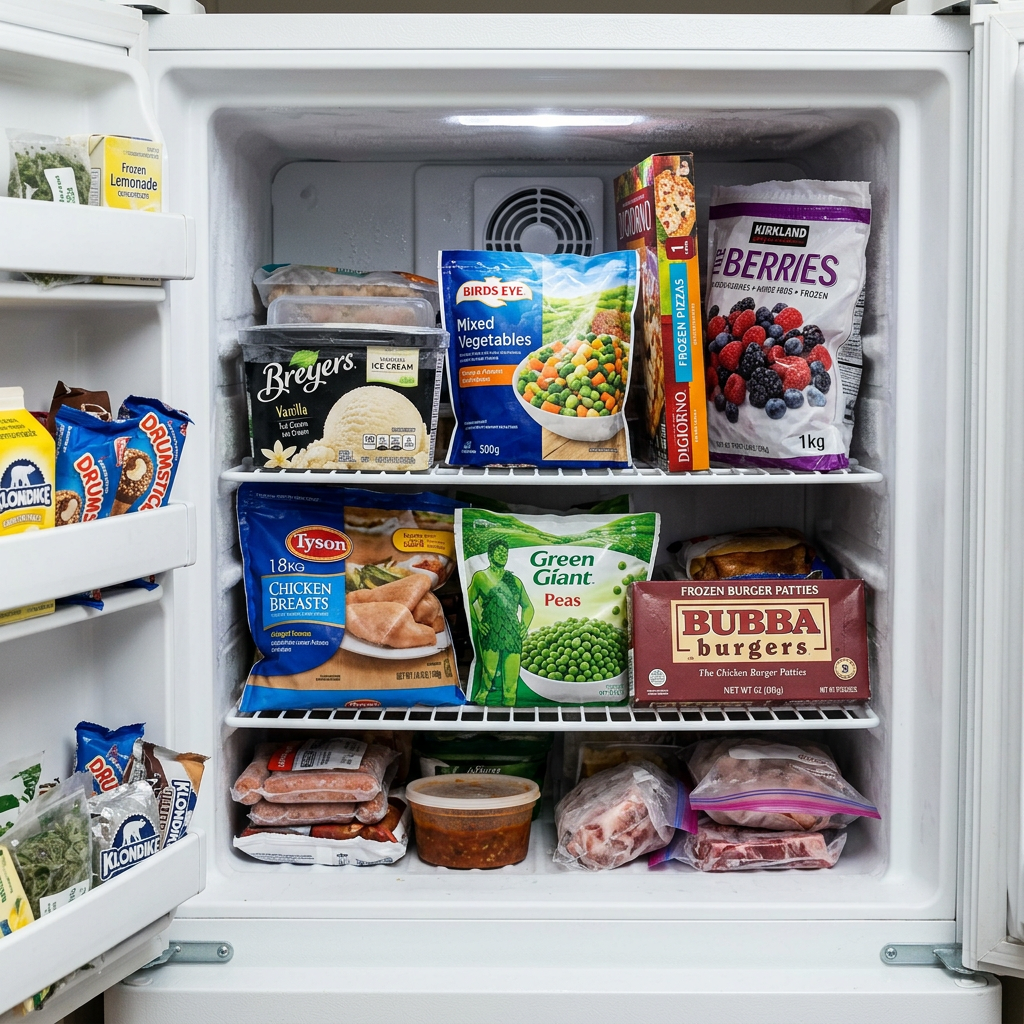
Start with your kitchen. Check the pantry, refrigerator, and freezer. Write down meals you can make using existing ingredients. You may discover pasta, canned beans, frozen meat, soup, rice, or vegetables that have been forgotten.
Next, look at toiletries and cleaning supplies. Finish the half-used shampoo, lotion, detergent, and cleaning products before buying replacements. If you’re out of something disposable such as paper towel or napkins, use a dish towel.
Apply the same idea to entertainment and clothing. Read books you already own, watch services you already pay for, wear clothes already in your closet, and choose free activities.
This is not necessarily a complete no-spend month. You still buy necessities such as fresh food, medicine, fuel, and required household items. The rule is simply: before buying something, check whether you already have an acceptable substitute. Or whether you could go without it temporarily.
Suppose you normally spend $150 per week on groceries. By planning meals around existing food, you reduce that to $100 for four weeks. That saves $200.
Avoid buying things merely to “stock up” during the challenge. The point is to reduce inventory, not replace every used item immediately.
Keep a list of things you run out of. At the end of the month, decide which ones genuinely need replacing.
A Use What You Have month can reveal how much money is tied up in forgotten purchases. It also creates a small financial reset without requiring a permanent lifestyle change.
The cheapest item is often the one already sitting in your home.